Scrypt Mining Explained: Dogecoin & Litecoin at Home
SHA-256 isn't the only game in town. Explore how Scrypt-based mining opens doors to Dogecoin and Litecoin with lower barriers to entry.
Understanding the Basics
Cryptocurrency mining is the process of validating transactions on a blockchain network by solving complex mathematical puzzles. When a miner successfully solves a puzzle, they earn the right to add a new block of transactions to the blockchain and receive a reward in the form of cryptocurrency.
Solo mining, as the name suggests, involves mining independently without joining a pool. While the probability of finding a block is lower compared to pool mining, the potential reward is significantly higher since you keep the entire block reward for yourself.
Why Home Mining Matters
Home mining contributes to the decentralization of the network, which is one of the core principles of blockchain technology. By running a miner at home, you are helping to distribute the network's hash power across more locations, making the network more resilient and censorship-resistant.
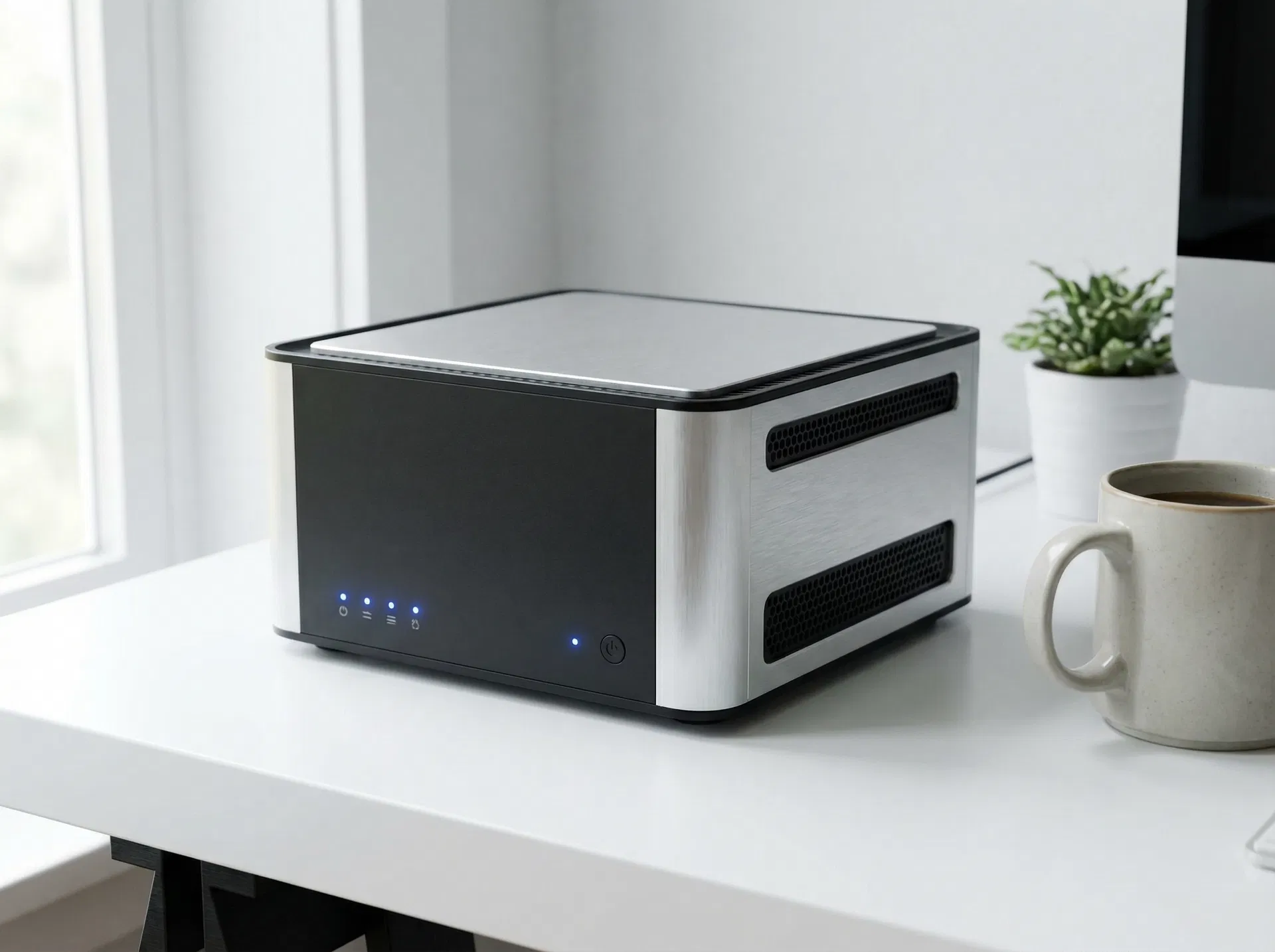
Modern home miners are designed with efficiency and quiet operation in mind. With power consumption as low as 5 watts and noise levels below 35 dBA, these devices can run 24/7 on your desk without disrupting your daily life.
Getting Started
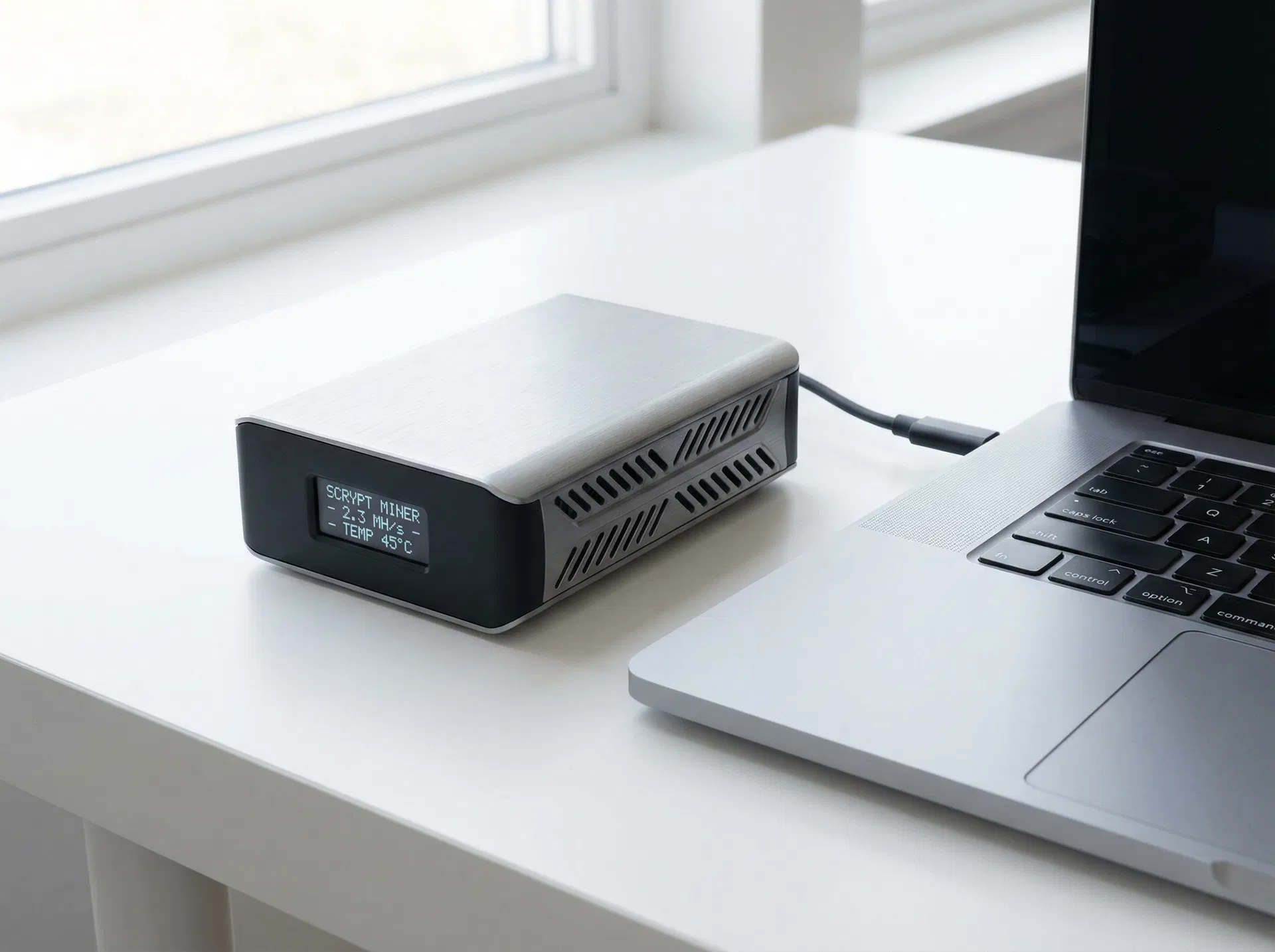
Setting up a home miner has never been easier. Most modern devices offer true plug-and-play functionality — simply connect to power and your home network, then access the built-in web dashboard to configure your settings. Within minutes, you can be contributing to the network and potentially earning cryptocurrency rewards.